HP put AI on the account research, people on the relationship
An always-on intelligence desk that returns a ready-to-use engagement plan within 48 hours

Thirteen people to convince
Forrester finds that a typical B2B buying decision now runs through 13 internal stakeholders, each with a different priority and a different reason to say yes. HP set out to build relationships across 571 priority enterprise accounts, public and private, in a single year. The intelligence existed. The hours did not.
Assembling that intelligence by hand took three to four hours per account, so sellers researched properly only the few they could find time for. People respond when an approach speaks to what they care about and move on when it does not. The winning move was to make every message land, by giving sellers a real understanding of each person before they reached out. So HP put a harder question to AI. Could it understand an account well enough to say something its buyers would recognize as relevant?
HP built an intelligence desk
HP built the RADAR Intelligence Desk. A seller requests an account, and an always-on AI-powered service returns a ready-to-use engagement plan built around that account’s real people and priorities. AI did the research and drafted the outreach. Human teams reviewed the work, and the seller owned the relationship.
One brief, back within 48 hours
Every request came back within 48 hours as one branded account brief. It opened with the account’s live buying signals and mapped the stakeholders who mattered most. Then it recommended a clear way in.
Outreach written for the role
Alongside it came ready-to-run personalized outreach for email and LinkedIn, along with call scripts written for a particular role and moment. AI drafted every version, tailored to the stakeholder receiving it.
Four steps, one of them human
A seller submitted a priority account. AI synthesized that account’s signals and stakeholders into a report. Human teams checked every report for quality, so nothing unverified reached a customer. Then the seller activated the outreach.
Adoption was the design problem
The hardest part of an AI service is rarely the technology. It is getting a sales team to trust it. So HP made RADAR feel like asking a colleague for help, with no tool to learn and no prompt to write.
Relevance, made repeatable
80% of sellers put RADAR to work. What had depended on a seller’s spare hours now arrived reliably, on demand, for any account.
Related work
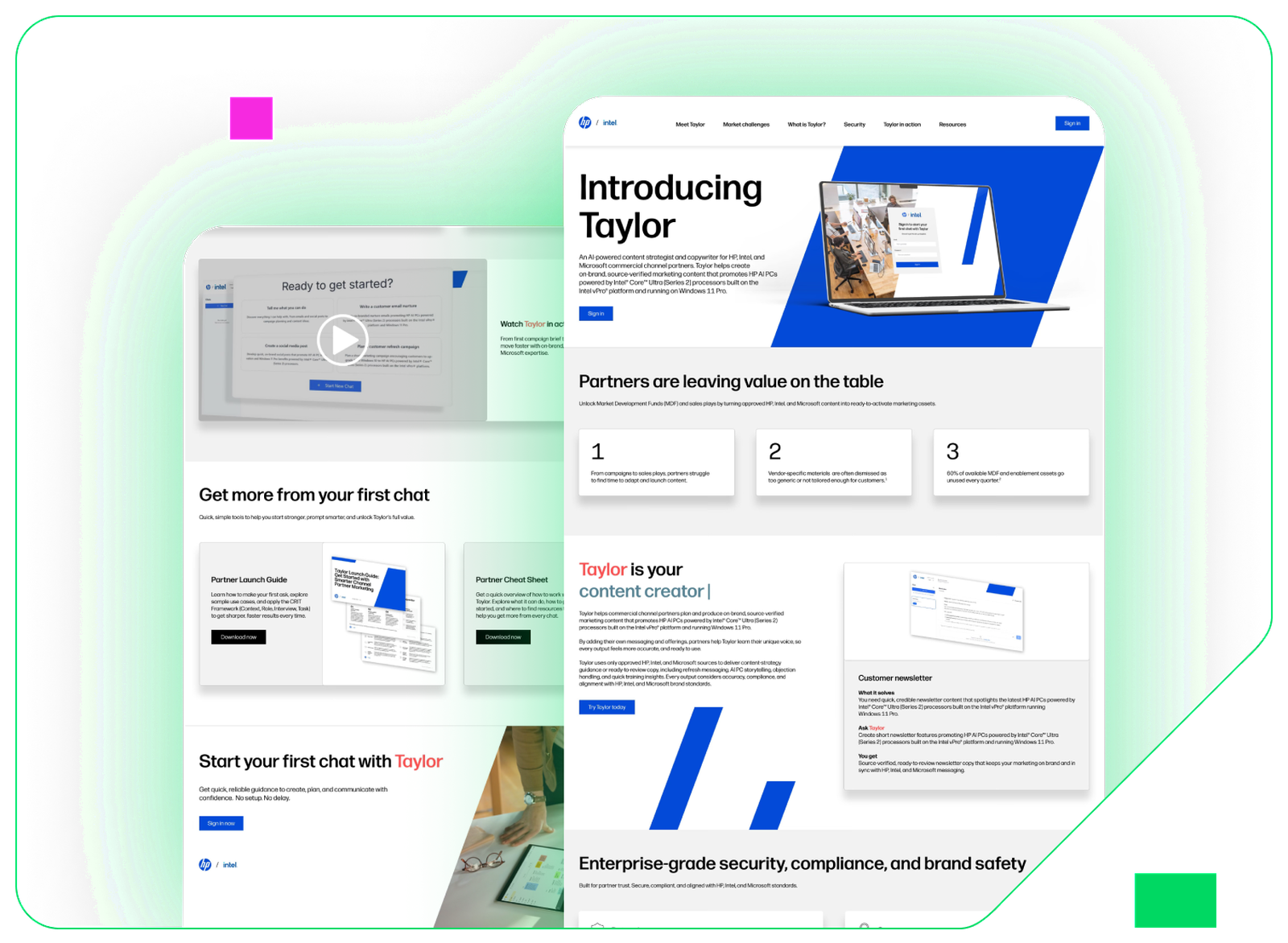
Confidence in every word
Taylor, an AI content strategist built around approved content, with every claim cited to its source.
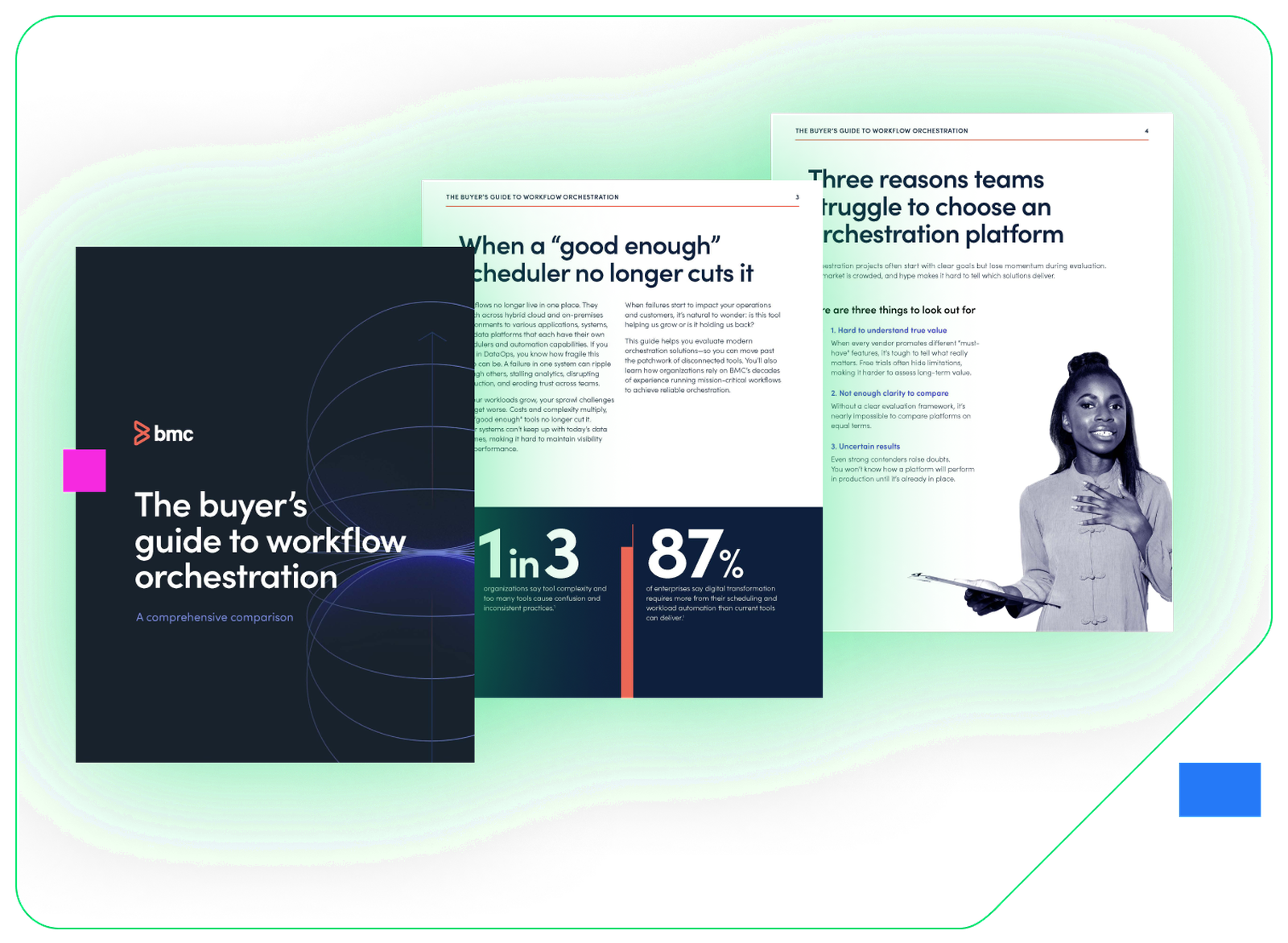
Be the answer
BMC wrote the evaluation criteria buyers were missing, in the structure AI assistants cite.
AI in Practice
One connected experience across live events, skilling, guidance and peer proof.