Microsoft answers the Copilot questions users were already asking
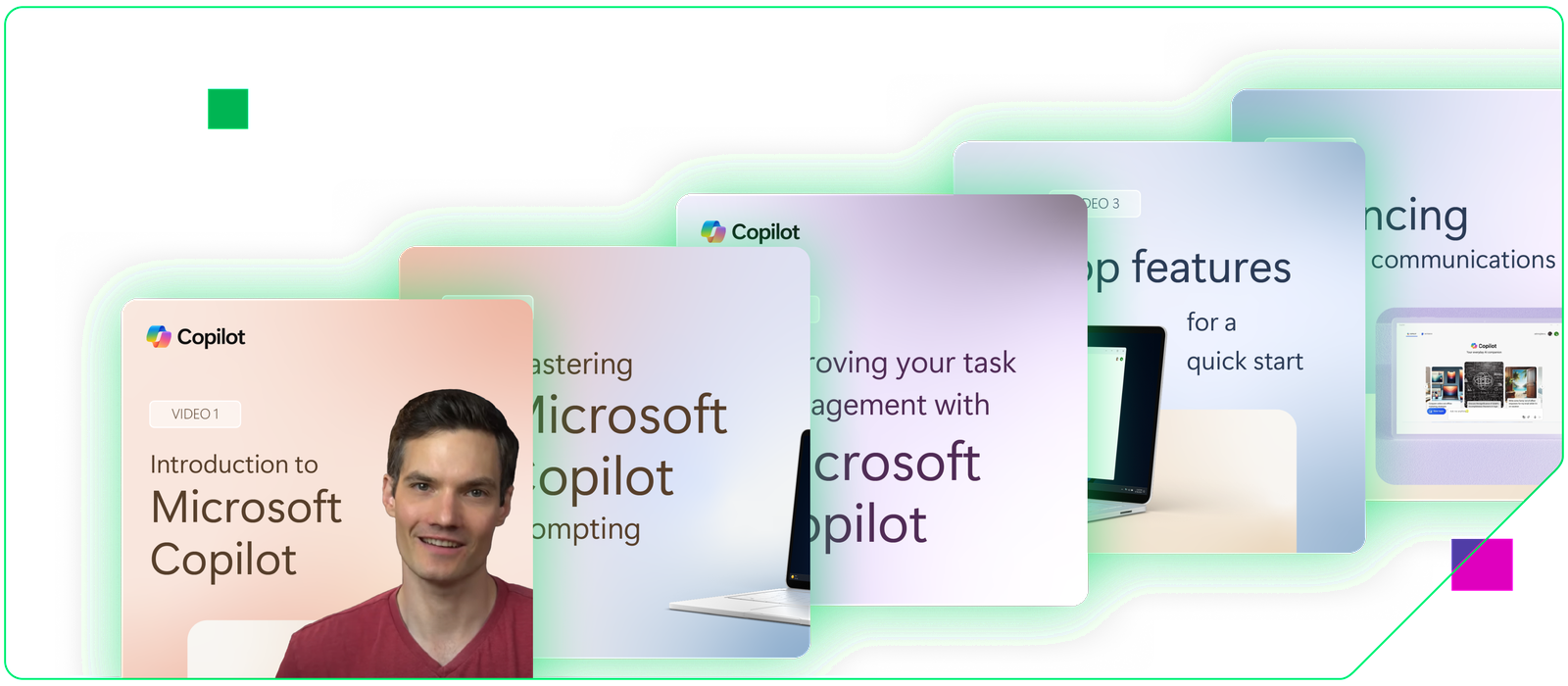
A YouTube-first tutorial series with creator Kevin Stratvert, built from the questions users searched
Use it or lose it
Microsoft Copilot launched to strong demand, quickly gaining traction with enterprise buyers. But usage lagged. End users were not engaging. Tutorials felt dense. Documentation read like code. Headlines followed with stories of customers pulling back licenses. Without activation, Copilot risked becoming shelfware.
Using AI at work is more than toggling on a feature. It rewires habits and reshapes workflows, and it often raises concerns about job security. While enterprises moved quickly to license Copilot, most users were left to figure it out alone. Transformation had stalled at the login screen. Research revealed a gap. Most users did not understand how, when or why to use Copilot. Even with a library of enablement content, daily active usage remained flat.
Even Copilot needs a guide
Microsoft turned to Kevin Stratvert, a former Microsoft employee and trusted creator known for making complex tools feel simple. Using AI-powered search data, the team mapped the top Copilot questions users were asking online, and those became the foundation for a YouTube-first tutorial series.
Reaching the people that matter
Most enterprise AI campaigns target IT and business leaders. Here, usage dictated renewal, which made employees the true decision-makers. If real people did not engage with Copilot, no amount of licensing would save it.
Guidance that felt peer to peer
Microsoft blended the brand’s credibility with Kevin Stratvert’s YouTube-native voice. The tone and pacing were shaped to feel like peer-to-peer guidance. Sponsorship was clearly disclosed, and the value came from clarity.
Making space for a trusted voice
Internal teams had to align. Advocacy across brand, legal and marketing enabled a new kind of enterprise storytelling that was still on brand but grounded in the creator’s natural voice.
Distributed organically, with no paid media
The series launched organically across Kevin’s channels and Microsoft’s owned platforms. YouTube was the core channel, built for deep tutorials and Shorts. Reach extended to LinkedIn, Instagram and TikTok. No paid media was used.
Utility earned attention
The series earned 2.85 million organic views with no media spend behind it, and it redefined what lifecycle marketing could achieve without paid amplification.
Related work
Lights, camera, avatars
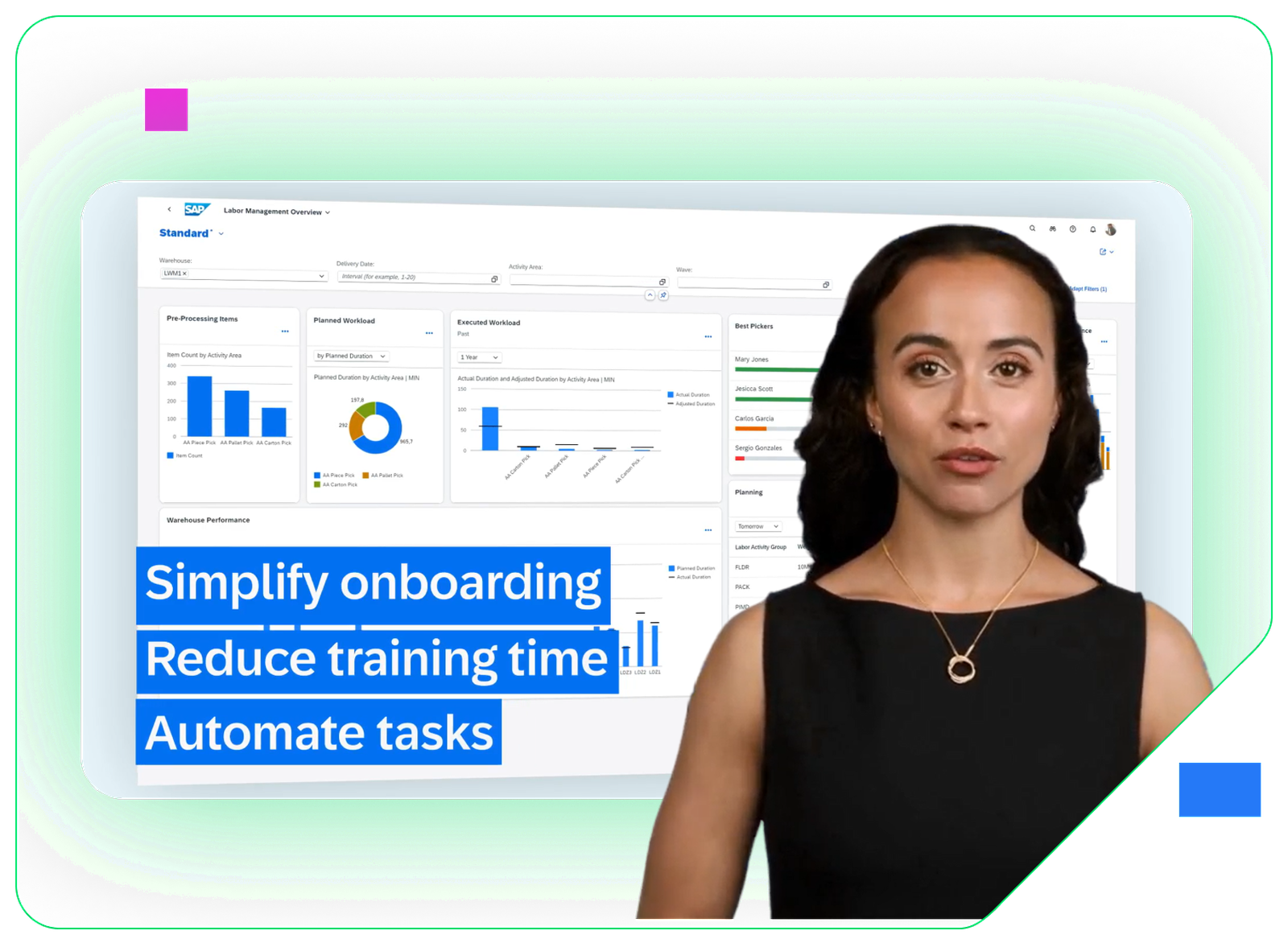
Studio-quality AI avatars that replaced traditional video production across dozens of SAP teams.
Agents of change
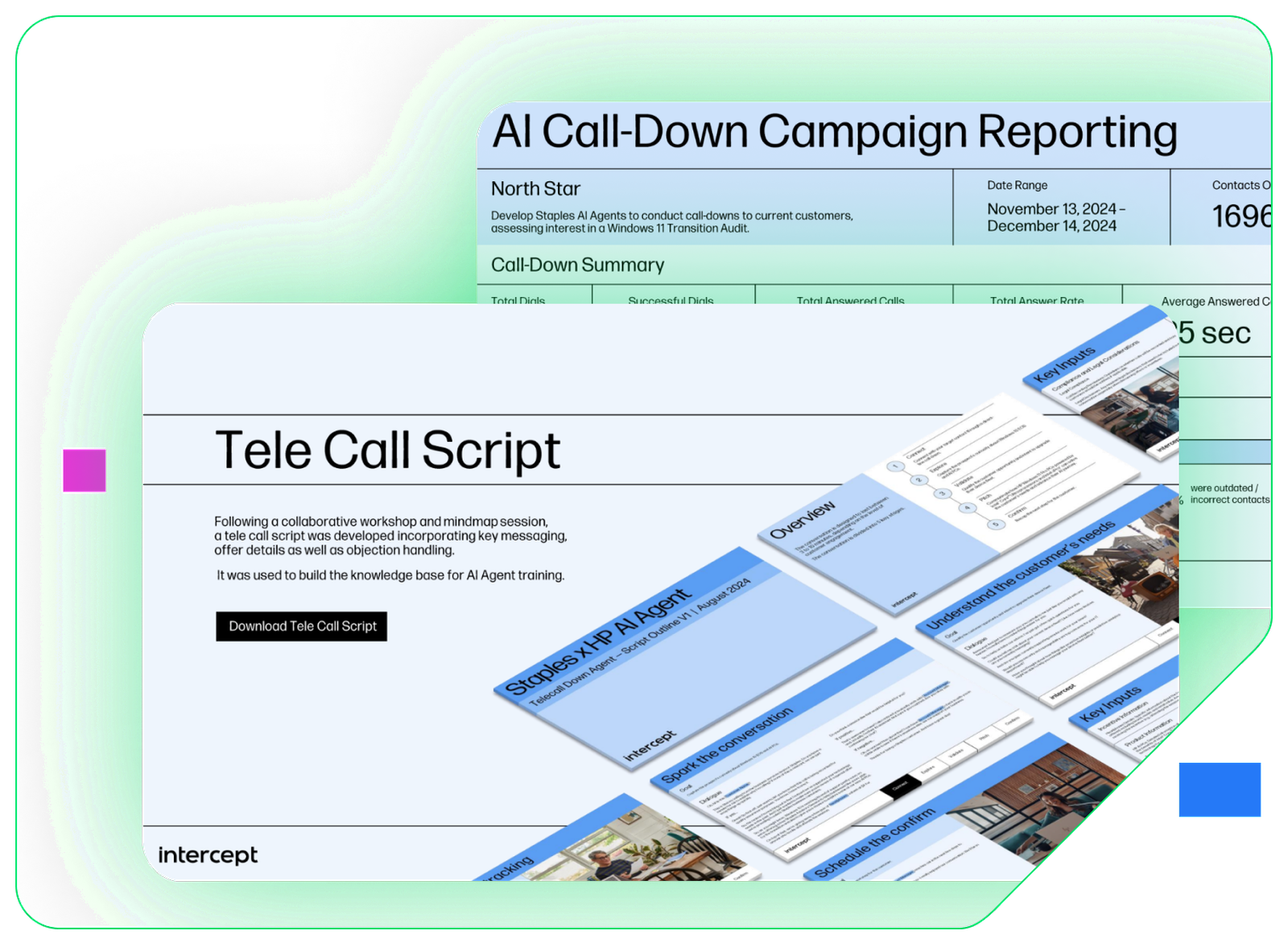
An AI-powered sales assistant that qualified and converted leads for HP’s channel partners in real time.
The measure of a marketer
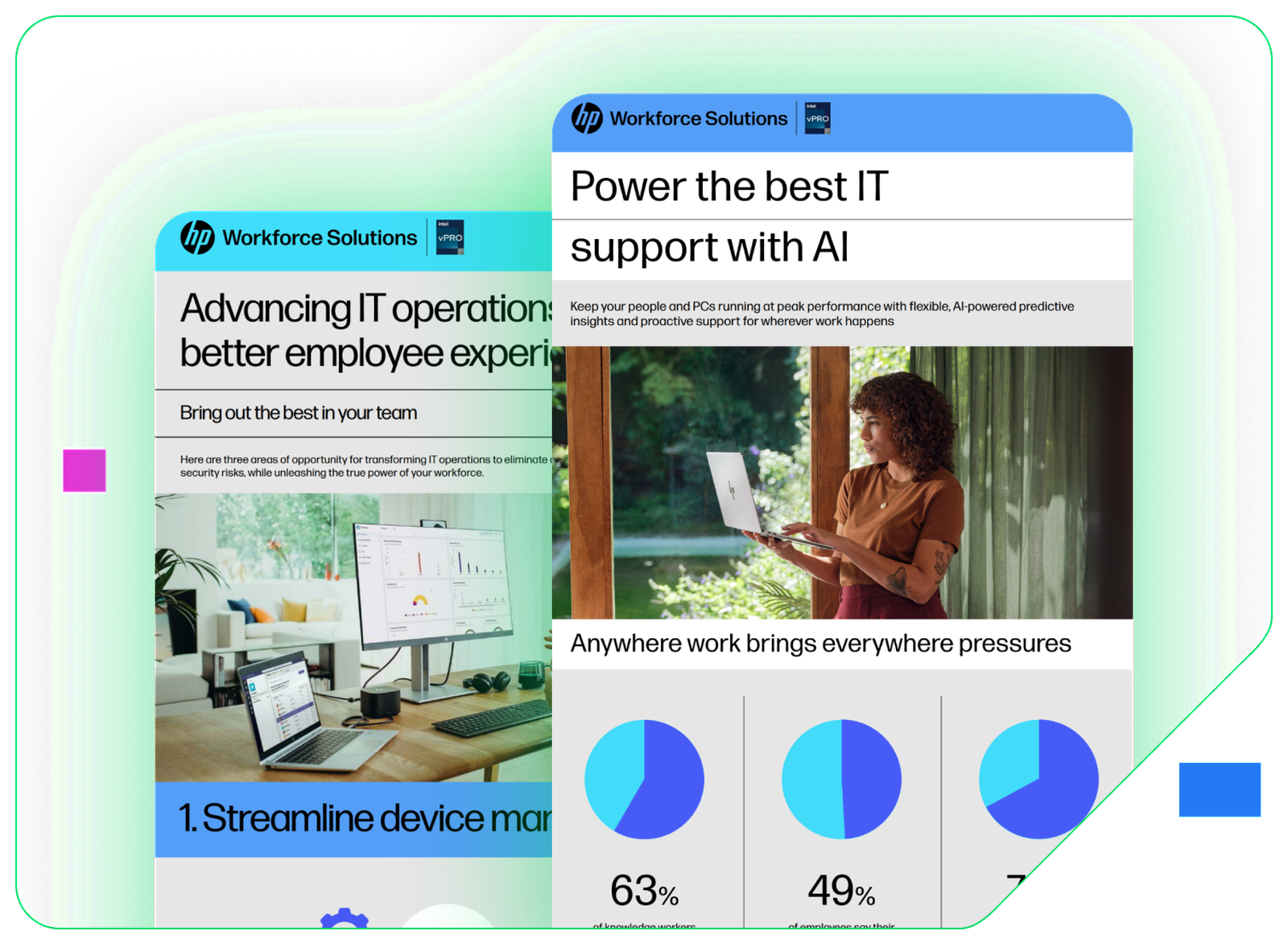
A controlled experiment across 500 accounts that measured what marketing added to deal size.